More than 80% of the world’s population turns to traditional practices for healing, according to the World Health Organization. This staggering figure reveals a persistent reality: despite advances in conventional medicine, the appeal of natural methods remains strong. In fact, it is gaining ground, even where medical technology seems to dominate everything.
Practices that were long relegated to the status of curiosities are now the subject of in-depth studies. The results are surprising: some unexpected benefits support classical medicine. Ancestral knowledge and medical innovations are now weaving an unprecedented dialogue, opening new perspectives for a more holistic health that is closer to daily life.
Why are natural methods increasingly appealing for everyday well-being?
The rise of natural methods is not just a passing trend. In the face of a flood of prescriptions and medical procedures, many seek to regain a different mind-body balance, one that is less dependent on chemistry and technology. This shift is based on a desire to take care of oneself differently: more gentleness, less invasiveness, and more listening. INSERM confirms this: relaxation techniques have a real impact on brain aging, especially for vulnerable individuals. This highlights how stress management has become a public health issue in a world that offers little respite.
Well-being is no longer just the absence of symptoms. It extends to mental health, the ability to withstand pressure, emotional agility, and the quality of human relationships. A calming environment has a direct effect on morale and serenity. Empathic communication facilitates trust between caregivers, patients, and loved ones: a powerful lever for quality of life and self-esteem. Now, deep breathing, meditation, and other relaxation techniques are being integrated into care pathways, with tangible results.
Caregivers are increasingly recommending these natural practices to complement conventional treatments. Some of these approaches even help slow the progression of neurodegenerative diseases, such as Alzheimer’s, by alleviating certain symptoms. To learn more about Art de Guérir, there are many tips for incorporating these natural solutions into daily routines. The challenge: rethink one’s lifestyle, support mental and physical health, and aim for lasting balance.
Naturopathy, Ayurveda, Art Therapy: Understanding the Key Principles of These Complementary Approaches
Naturopathy adopts a holistic view of health, focusing on prevention and stimulating self-healing mechanisms. It is based on several pillars: a tailored diet, regular exercise, fine stress management, and thoughtful use of medicinal plants. In this logic, phytotherapy and aromatherapy play a significant role: essential oils to soothe anxiety or sleep disorders, plants like lemon balm, sage, or ginkgo biloba to support memory and cognitive functions. These solutions do not replace medicine; they accompany it.
Ayurveda offers a nuanced understanding of the mind-body balance. It starts from the principle of doshas: each person, each season, and each stage of life calls for specific adjustments. The foundation: targeted nutrition, body rituals, breathing exercises, and support from plants. This system, rooted in tradition, has maintained a remarkable vitality to readjust physical energy and emotional balance.
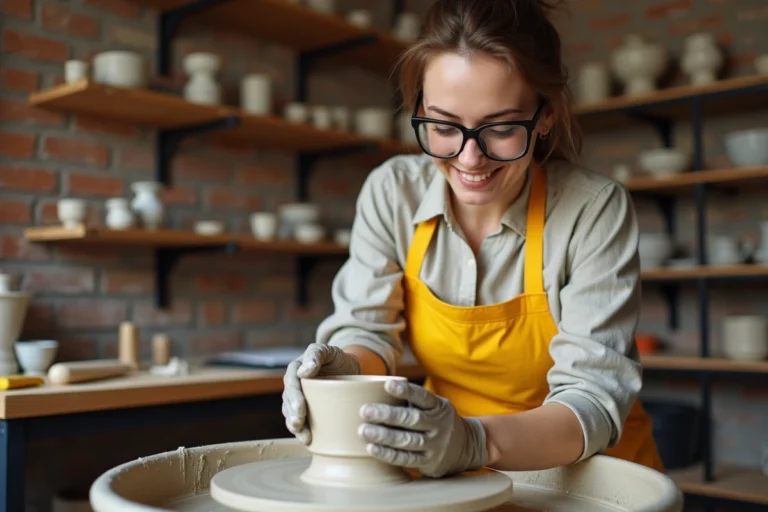
On the side of art therapy, creation becomes a therapeutic tool. Visual arts, writing, music: the diversity of mediums helps reduce anxiety, agitation, or depression. This multisensory approach values expression, stimulates cognition, and brings forth unexpected resources. The Snoezelen method, for example, supports through light, sounds, textures, and scents: concrete evidence that an adapted environment can transform emotional experiences.
To better understand these complementary currents, here are their main axes:
- Natural solutions: essential oils, medicinal plants, tailored rituals
- Body and mind: balance, emotion management, personal development
- Therapy: art, multisensory experiences, and personalized support
Experiencing Self-Healing: Practical Tips for Integrating Natural Methods into Your Life
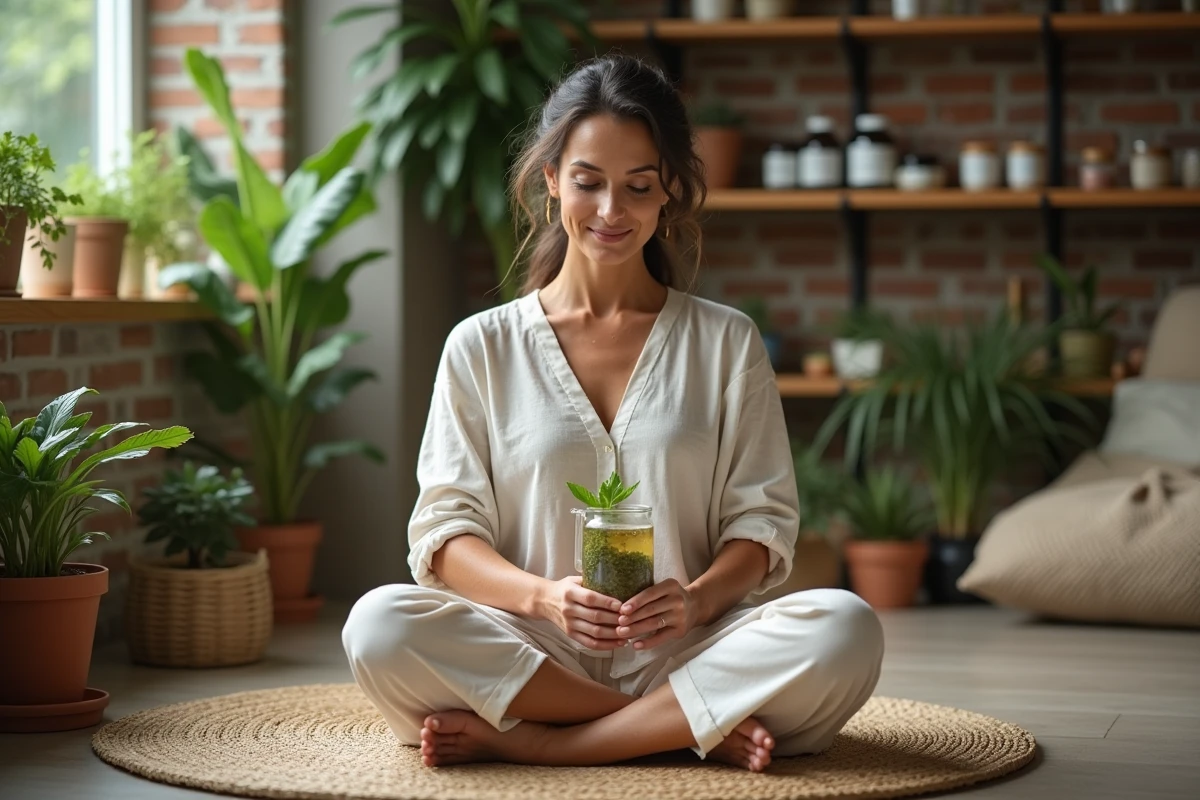
Self-healing is neither magic nor utopia. It is grounded in reality, at each person’s pace. The first step: mindful breathing. Take a moment each morning to feel the air enter and leave your lungs. This simple attention calms physical tensions. With abdominal breathing, the heart slows down, stress hormones decrease, and emotional management improves. Meditation, even if brief, invites presence and inner calm.
Add to this a few yoga postures or gentle stretches. These simple gestures, accessible to everyone, awaken the body and release tension. A few minutes are enough to boost circulation and energize the mind.
Mindful eating adds an extra dimension. Taking the time to eat, without distractions, savoring each bite, allows for better listening to the body’s signals. This attention transforms digestion and strengthens the coherence between body and mind. In the evening, prepare for sleep: soft light, silence, calming breaths. This ritual promotes a peaceful falling asleep.
Finally, adapt your lifestyle to your real needs. Regular breaks, suitable physical activity, space for creativity or art: these choices, supported by relaxation techniques recognized by INSERM, limit stress, facilitate falling asleep, and free memory and attention. Self-healing is not a demand for perfection: it is an experience to be lived and adjusted each day according to one’s own resources.
Rediscovering these practices is to open a door to a more nuanced, more embodied health. Each person decides the path, one step at a time, towards a possible harmony between self-care and real life.