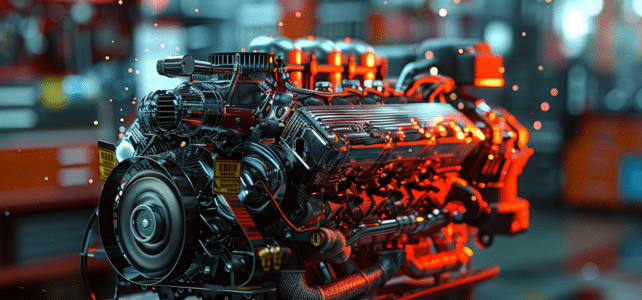
When the hood is raised, a mechanical symphony rises. Every purr, clatter, or whistle coming from your engine is not just a sound effect but an indicator of your vehicle’s health or distress. These captivating, sometimes confusing noises are the result of complex phenomena. Frequently moving metal components, miniature explosions of fuel, pressurized hydraulic parts—all contribute to a revealing cacophony. Deciphering this sound range offers a precise insight into the innards of your car, allowing for the diagnosis of potential issues before they become mechanical emergencies.
The Acoustic Secrets of Your Engine: Decoding Unusual Sounds
The engine of a vehicle, this sophisticated assembly, produces a characteristic sound, a true acoustic signature. This sound, caused by internal vibrations, originates from the beating heart of the machine: the crankshaft, a key player in combustion. The combustion process, with its rhythm and intensity, directly affects exhaust pressure and, consequently, volumetric efficiency. The sound emitted by the engine is therefore a faithful reflection of the multiple interactions between these components.
The distinction between engine sounds is not just a matter of brand or model. Take, for example, a flat V8 and a cross V8, each possessing a specific firing order that gives these engines distinct timbres. These acoustic differences are not trivial: they result from a finely orchestrated set of mechanical and acoustic factors. The sound of an engine can be smooth and purring or aggressive and percussive, as is the case with pop and bang, a phenomenon characteristic of high-performance exhaust systems.
These noises are not only indicators of performance but also elements of identification. The sound of V8s, whether flat or cross, is so specific that it can be recognized by knowledgeable enthusiasts. The vibration of the engine, influenced by factors such as the crankshaft and firing order, creates a unique acoustic footprint. The ability to identify these sound nuances is not just a matter of curiosity but also contributes to automotive culture and understanding of moving mechanics.

Impacts and Solutions: How Engine Noises Influence Our Driving Experience
The sound produced by an engine is not merely a mechanical emission; it also shapes the sensory experience of the driver and passengers. The sound quality, whether harmonious or discordant, affects emotional state and concentration. Studies have shown that pleasant sounds can enhance alertness and well-being, while unpleasant sounds have the opposite effect, potentially leading to increased fatigue and decreased safety while driving. In the case of engines, the challenge is to find a balance between performance and acoustic comfort.
Automakers, aware of this influence, are making considerable efforts to master the soundscape of their vehicles. From insulating materials to active exhaust systems, there are multiple solutions to modulate engine noise. For example, the addition of an active noise control system uses sound waves to cancel out certain undesirable frequencies, creating a more enjoyable and less tiring driving experience.
Beyond noise reduction, some manufacturers deliberately integrate specific sounds to enhance brand identity or signal vehicle performance. These sounds, crafted by sound engineers, contribute to an immersive experience and can even become a selling point. The acoustics of an engine are not just a technical challenge: they become an integral part of marketing strategy, highlighting the importance of the sound environment in the automotive field.