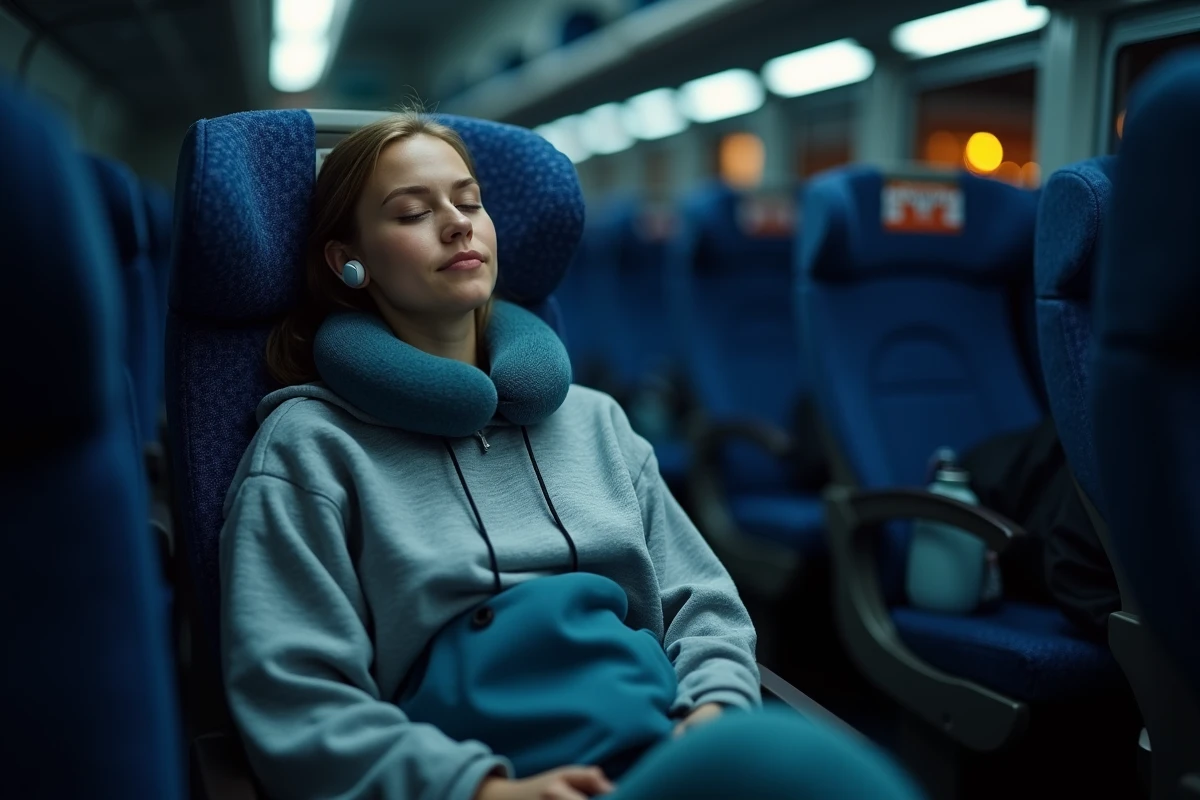
A Paris-Toulouse at 11 PM, with an expected arrival around 6 AM, and in between, the promise of a free night on wheels. On paper, the night Blablabus ticks all the boxes for a good deal. In practice, the quality of sleep on board depends on details that most travelers discover too late, once settled in their seats, lights out.
Managing the Cold on a Night Blablabus
The first factor that sabotages a night on the bus is neither noise nor space; it’s the temperature. The air conditioning in long-distance coaches often blows harder than one might expect, and the chill sets in by the second hour of travel.
Several traveler feedbacks converge on this point: thermal discomfort remains the most underestimated factor before a night departure. One dresses lightly in summer, boards the bus in shorts, and spends the night shivering under a blast of air conditioning set for a full coach that isn’t always full.
The solution is simple but non-negotiable. Pack a pair of thick socks, a hoodie (the hood also protects against side light), and a compact travel fleece blanket in your cabin bag. Wearing covering and layered clothing radically changes perceived comfort, much more than the choice of seat or the brand of pillow.
Among those who share their opinions on the night Blablabus, the cold emerges as the number one complaint, ahead of the lack of legroom.
Seat and Sleeping Position on Long-Distance Trips
The choice of seat directly affects the ability to fall asleep. Feedback varies on this point, but two constants clearly stand out.
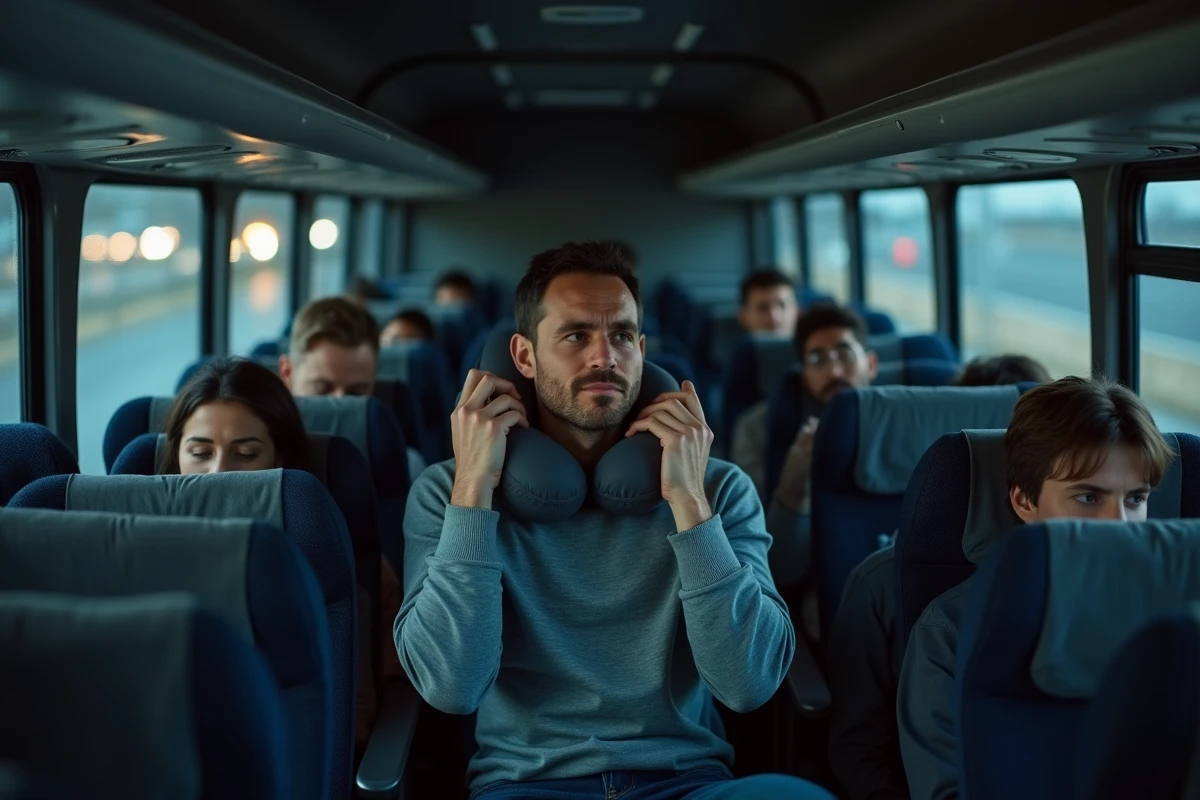
The window side remains the only true ally of sleep. You can rest your head against the wall (with a travel pillow in between), and no one steps over you to go to the restroom. The aisle side offers more legroom but exposes you to the passage of other passengers and the light from the aisle.
The other variable is proximity to the restroom and the engine. The last rows concentrate vibrations, odors, and comings and goings. The first rows, on the other hand, capture more dashboard lights and the driver’s conversations at stops.
- Aim for the middle rows, window side, for the best compromise between quiet and vehicle stability.
- Recline the seat from the start and lock the headrest in the high position to support the neck.
- Keep your feet elevated if possible (a soft bag placed on the floor serves as an improvised footrest).
The seat on a Blablabus reclines, but the angle remains modest. You sleep sitting up, not lying down. Accepting this constraint from the start avoids the ongoing frustration of searching for a position that doesn’t exist.
What to Bring in the Cabin Bag for the Night Journey
The hold swallows the large suitcase. What matters is the content of the small bag kept within reach during the trip. A well-prepared cabin bag makes the difference between a bearable night and a ruined night.
Separate the night essentials from the rest of your belongings before boarding. Searching through a backpack in the dark, between two seats, while trying not to wake anyone is the kind of situation you only want to experience once.
- Foam earplugs (not earbuds, which fall out and are bothersome in a reclined position) to block out the noise of the engine and neighbors.
- Sleep mask to block intermittent lights at stops and screens from other passengers.
- A light snack and a small bottle of water, because waking up at 3 AM with a dry throat and nothing within reach is particularly unpleasant.
- A portable charger: the USB port at the seat works most of the time, but not always, and a dead phone upon arrival complicates things.
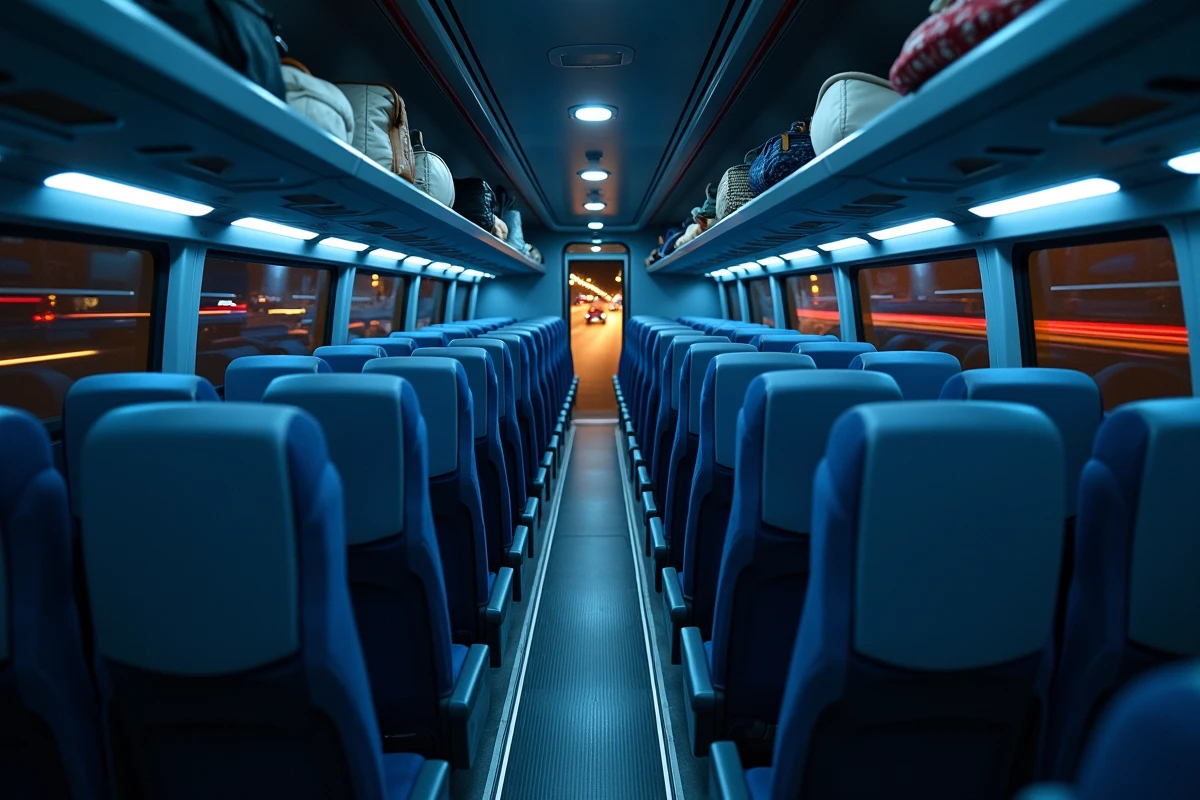
Early Morning Arrival: Anticipating Wake-Up at the Bus Station
Content about the night bus often stops at the moment of falling asleep. The reality is that arriving between 5 AM and 7 AM at a bus station deserves as much preparation as the night itself.
You disembark tired, sometimes running late, in a place that doesn’t always offer a heated waiting room or a water point. Having previously identified an early-opening café near the arrival station, or at least the opening hours of the restrooms, prevents you from wandering around with your suitcase for an hour.
A minimal refreshment kit (wipes, travel toothbrush, clean t-shirt packed in the cabin bag) allows you to start the day without dragging the night along with you. This logistical detail weighs more than one might think on the overall impression of the trip.
Sleeping on a Blablabus will never be like sleeping in a bed, and presenting it otherwise would be misleading. It’s a compromise between the cost of a saved hotel night and a few hours of fragmented rest. By preparing for the cold, noise, and early arrival, you transform a potentially painful night journey into a manageable experience, sometimes even pleasant when fatigue does its job and you fall asleep before the first toll booth.