The gardens that catch the eye on inspiration platforms often share a common point: they seem to require little effort. Designing a trendy and charming garden is no longer just about accumulating decorative plants. The question of sustainability, in the face of intense heat episodes and increasingly frequent watering restrictions, now conditions the choices of planting, materials, and structure.
Heatwave-resistant garden: the real criterion behind a lasting outdoor space
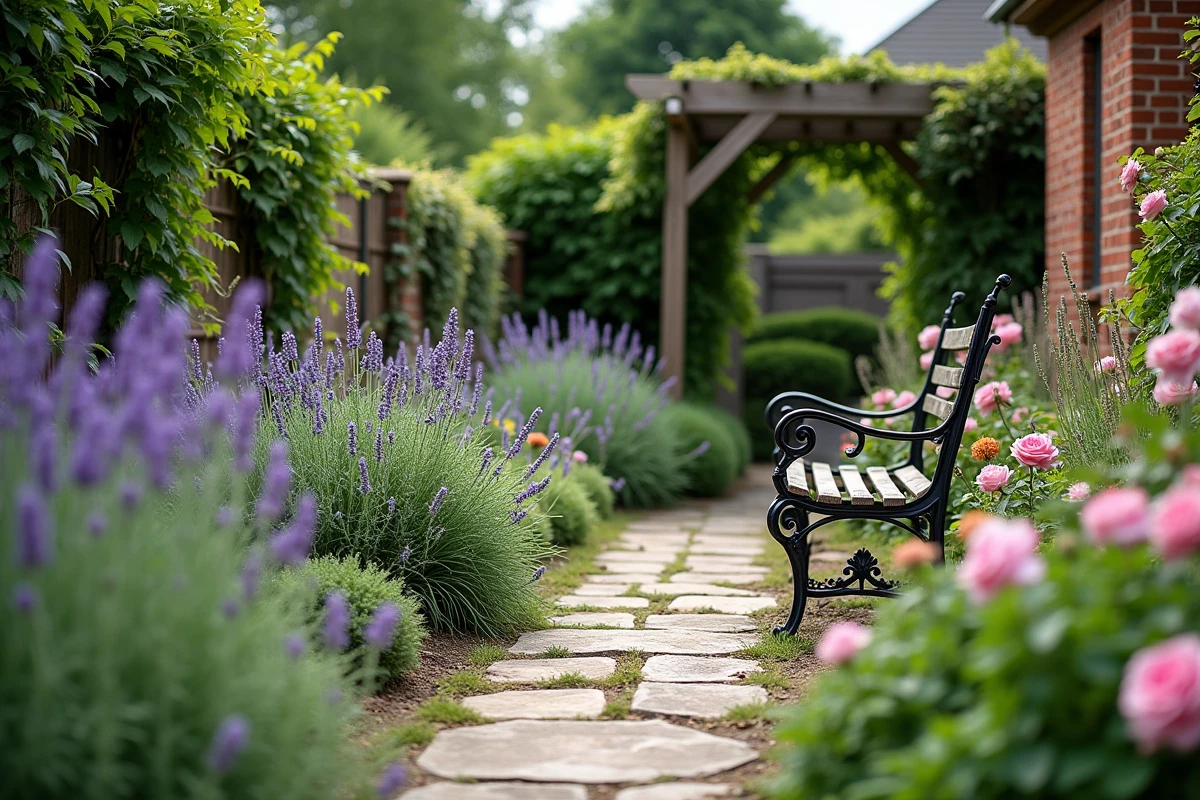
After three weeks without rain, many flowerbeds lose their luster. Feedback from homeowners who garden in hot climates or in areas subject to drought orders tells a clear reality: Mediterranean perennials (lavender, gaura, perovskia, yarrow) thrive where annuals wilt in just a few days.
This “dry and beautiful” approach is described by landscape professionals as a fundamental trend, not just a simple ecological gesture. A garden designed for drought retains its charm all year round, even in the height of summer, without expensive automatic watering.
Mineral mulching (gravel, pumice, crushed slate) is gradually replacing organic mulch in contemporary charming gardens. It limits evaporation, visually structures the flowerbeds, and does not decompose.
Combined with ornamental grasses like stipa or miscanthus, it creates a permanent movement effect that rivals more classic compositions. To explore other landscaping options suited to these constraints, the garden page of Les Embellies Déco gathers selections that align with this direction.
English garden or contemporary garden: two dominant styles, two maintenance logics
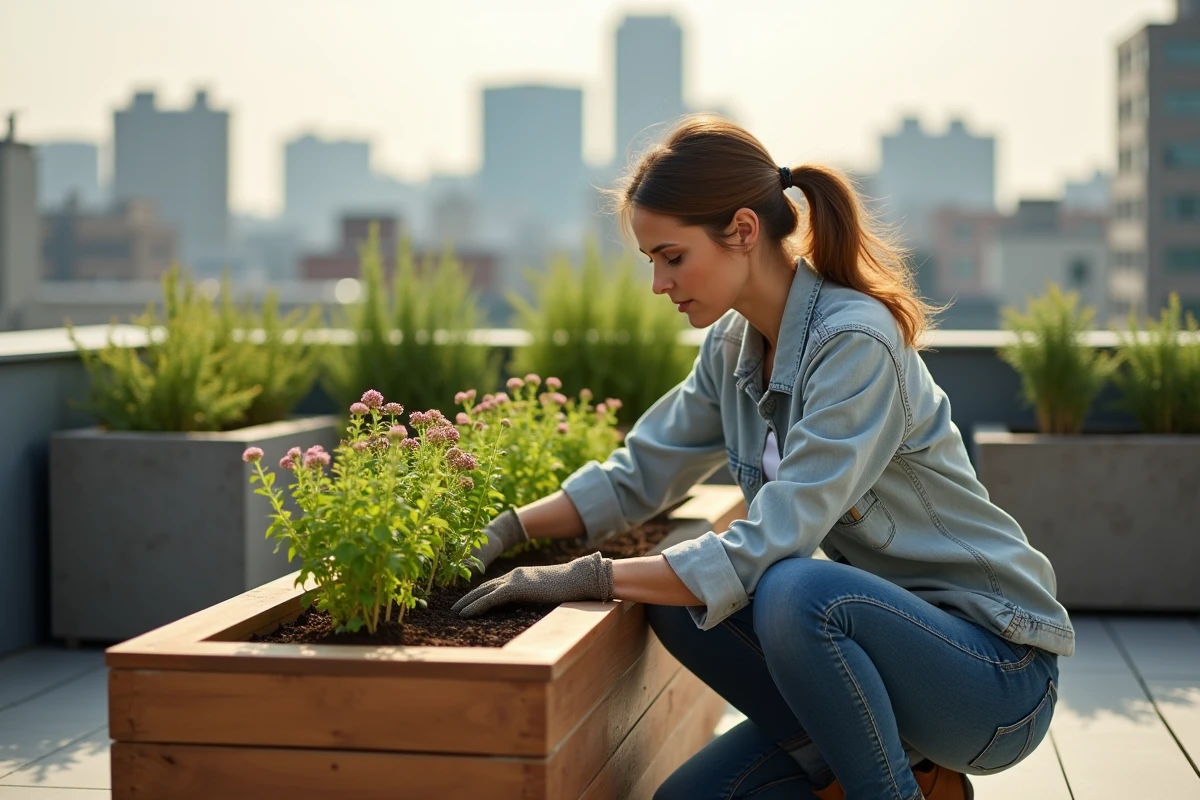
The two most requested directions in recent years are the romantic and abundant English garden, with its plant arches, climbing roses, and seemingly chaotic flowerbeds, and the minimalist contemporary garden, geometric, with clean lines and a limited color palette. This polarization between lush and clean is not just a matter of taste: it has direct consequences on the time spent gardening.
The English garden requires regular pruning, monitoring for diseases (powdery mildew, black spots on roses), and a rich, consistently moist soil. In areas exposed to heatwaves, this style proves difficult to maintain without significant watering.
The contemporary garden, in contrast, relies on a limited number of species, often evergreen, and on mineral or wooden surfaces that reduce weeding. Field reports vary on this point: some homeowners find the result too cold, while others appreciate the considerable time savings.
A middle ground that works in practice
Mixing the codes of both styles produces interesting results. A backdrop structured by low-trimmed hedges (boxwood, dwarf pittosporum) with, in the foreground, free perennials and grasses, creates a charming effect without the constraint of weekly maintenance. Weathered metal or raw wood furniture enhances this impression of a garden “established for a long time.”
Garden materials and furniture: wood, metal, and upcycling against the test of time
The choice of materials influences both the ambiance and durability. Three families dominate current trendy gardens, each with its limitations:
- Natural wood (treated pine, acacia, chestnut) ages well when left to gray, but requires a well-ventilated support to prevent rotting when in contact with moist soil.
- Patinated metal (corten steel, old wrought iron) adds a structured touch and withstands the elements. Its purchase cost is higher; however, its longevity compensates over multiple seasons.
- Upcycling (pallets, old zinc containers, demolition stones) feeds an artisanal and raw aesthetic, close to wabi-sabi, which stands apart from the more polished classic charming garden. This style responds to a quest for authenticity and personalization but requires the ability to assemble heterogeneous elements without falling into a mishmash.
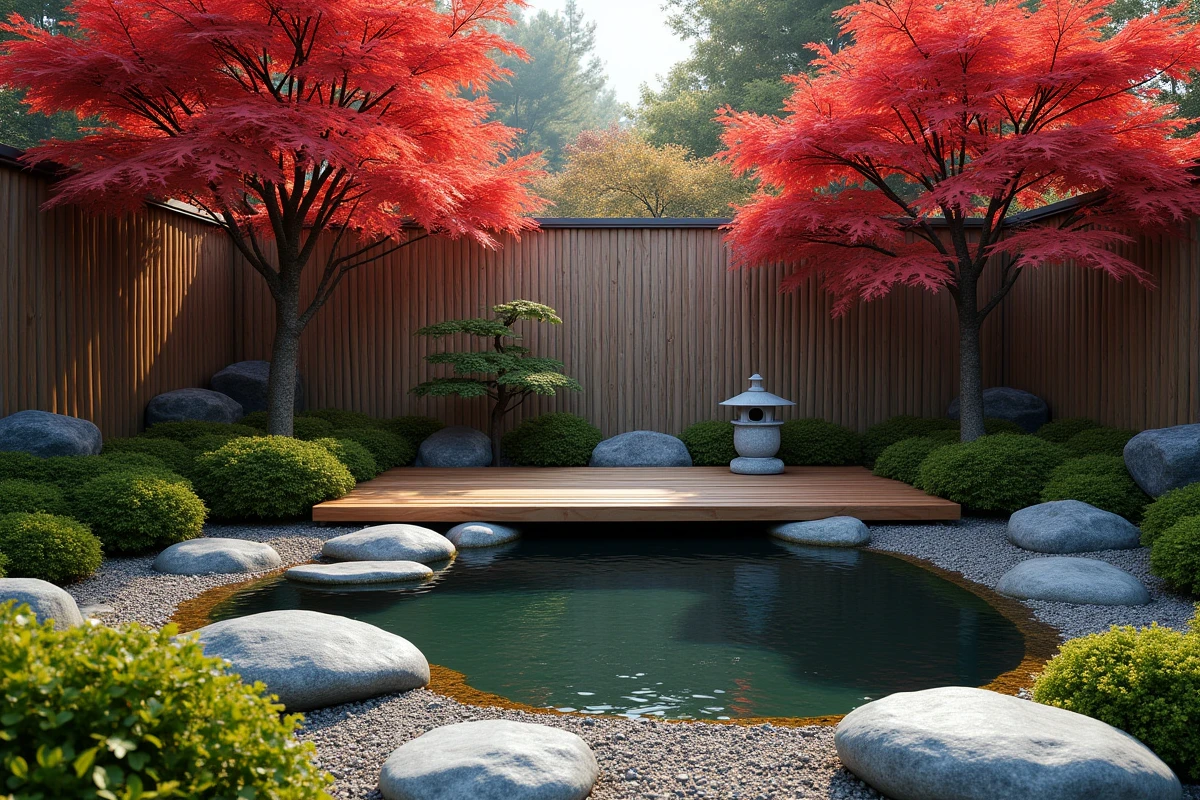
Woven resin garden furniture, ubiquitous a few years ago, is declining in favor of less uniform pieces. A stone bench, a solid wood table, or mismatched colorful metal chairs create more personal relaxation spaces.
Garden lighting and shading areas: two underestimated levers
Lighting transforms an ordinary garden into a livable space in the evening. String lights remain popular, but recessed solar spots at ground level or low bollards along a path create a more refined effect. Low lighting highlights the textures of the ground and foliage without creating excessive light pollution.
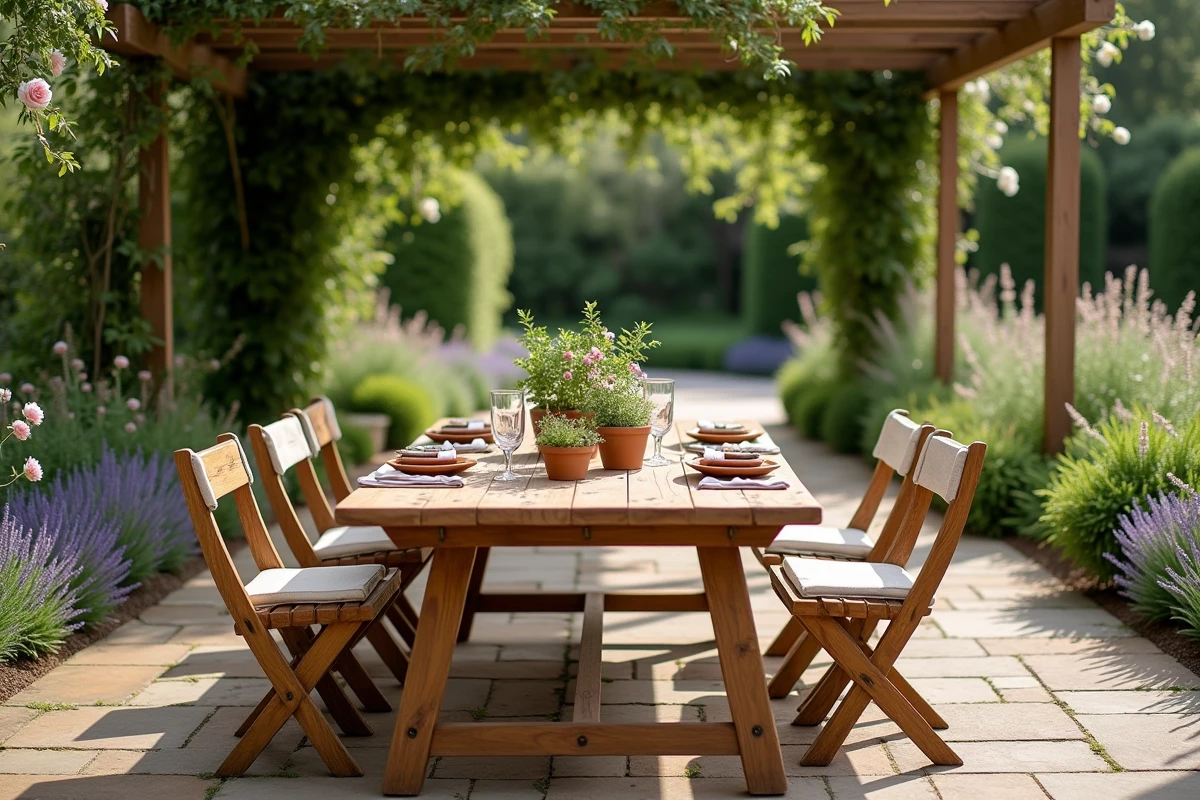
Shaded areas become the true living space of the garden during the hot months. A wooden pergola covered with star jasmine or virgin vine offers a cool space without resorting to a mechanical awning. Homeowners who have planted lightly foliaged trees (gleditsia, albizia) notice a significant drop in perceived temperature under their canopy by the third or fourth year of growth.
Colors and lighting: playing with contrasts
The colors of furniture and containers influence the perception of space. Dark terracotta pots on light gravel, a deep blue bench against a white wall, an ochre cushion on a gray wood seat: these simple contrasts add depth without multiplying decorative purchases.
- Favor a palette of two or three colors maximum to maintain visual coherence.
- Pair a warm tone (terracotta, mustard) with a cool tone (gray-blue, sage green) to balance the ambiance.
- Reserve bright colors for small elements (cushions, plant covers) that are easy to replace from one season to the next.
A garden that remains beautiful in August as in April does not rely on a single idea but on a set of coherent choices: plants suited to the actual climate of the land, materials that age well, and a layout that limits maintenance. The local climate and the time available each week guide these choices much more than current trends.